


Molecular Reactivity & Spectroscopy
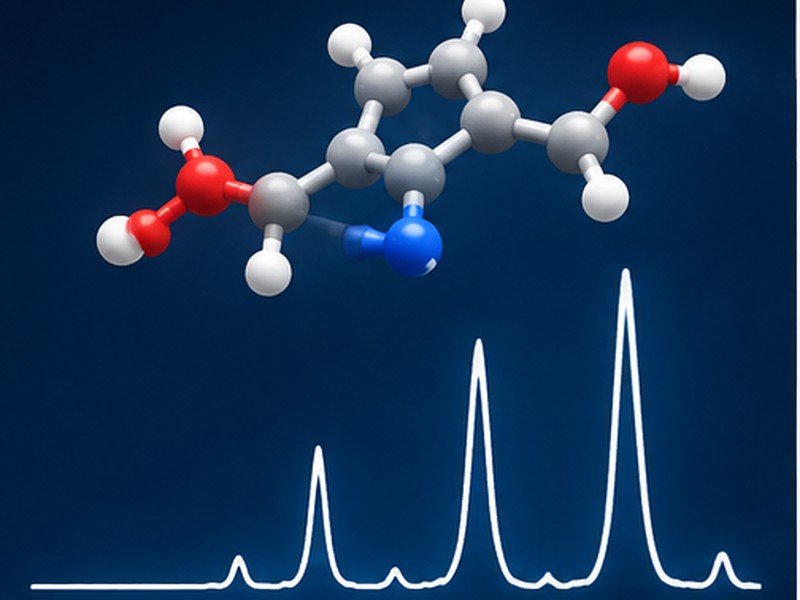
IPREM investigates molecular reactivity by combining quantum chemical calculations, advanced spectroscopic techniques and experimental approaches.
Our research aims to understand reaction mechanisms, identify reactive intermediates and unravel the electronic factors governing chemical transformations and selectivity. These complementary approaches provide molecular-level insights into complex reaction pathways and the properties of transient chemical species.
Quantum chemical calculations are combined with experimental investigations to elucidate reaction pathways, characterize key intermediates and understand the electronic factors controlling reactivity and selectivity. Applications include organometallic chemistry, gold complexes and cooperative metal catalysis.
Advanced spectroscopic techniques, including gas-phase UV photoelectron spectroscopy, flash vacuum thermolysis and cryogenic matrix isolation, are combined with quantum chemical calculations to identify and characterize highly reactive or short-lived molecular species. These approaches provide insights into the structure and reactivity of transient intermediates such as nitrenes.
Theoretical and experimental approaches are used to investigate the factors governing reaction selectivity, including transition-metal-free radical reactions and the formation of reactive boron–nitrogen heterocyclic intermediates. These studies contribute to the rational understanding of chemical transformations and the development of synthetic strategies.
Combined spectroscopic and computational approaches are used to investigate photoinduced molecular transformations, including photoisomerization and protonation processes. These studies help establish relationships between molecular structure, electronic properties and chemical reactivity.